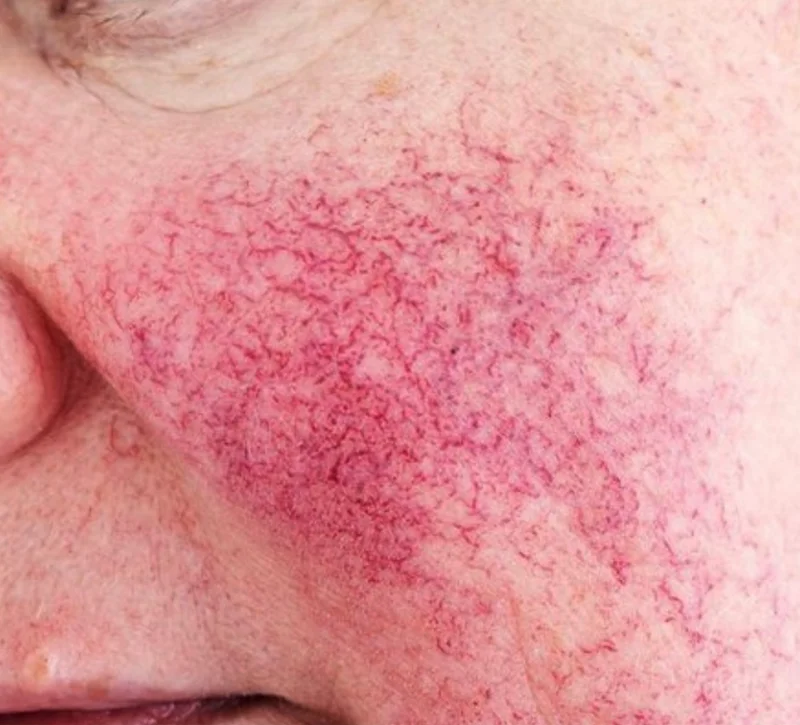
If you have rosacea, you have probably been told to skip facials altogether. The advice is well-meaning but wrong. The right facial — performed by an esthetician who actually understands reactive skin — is one of the most calming, restorative things you can do for rosacea-prone complexion. The wrong facial can flare you for a week.
At Bianca Esthetics in McKinney, we treat rosacea-prone clients regularly across North Texas. This guide explains what rosacea actually is, which facial treatments are genuinely safe (and which to avoid), and how to build a long-term skincare relationship that calms your skin instead of triggering it.
Rosacea is a chronic inflammatory skin condition characterized by persistent facial redness, visible blood vessels, sensitivity, and sometimes acne-like bumps. It is not the same as occasional flushing or general sensitive skin — it has a specific inflammatory mechanism that responds to specific triggers and requires specific treatment principles.
The American Academy of Dermatology identifies four main subtypes of rosacea, each with slightly different presentation:
Most clients we see at Bianca have a mix of ETR and mild papulopustular features. Knowing your subtype matters because it influences which treatments help and which can flare you.
A "standard" facial typically includes hot steam, vigorous massage, manual extractions, and exfoliating products. Each of these can be a trigger for rosacea-prone skin.
Common rosacea triggers in a typical facial:
If you have ever left a facial pinker than when you arrived, with skin that stayed red for days afterward, you experienced one or more of these triggers. The solution is not to avoid facials forever — it is to choose treatments designed for your skin.
The Rosacea Facial ($229) at Bianca Esthetics is purpose-built for reactive, rosacea-prone, or chronically sensitive skin. Every step of the protocol has been adjusted to support — not provoke — fragile vasculature and inflammatory skin.
What's different about the Rosacea Facial:
The treatment ends with a barrier-supporting moisturizer, a mineral SPF, and clear aftercare instructions tailored to rosacea skin specifically.
If you are managing rosacea and have not tried LED Light Therapy, this is the section to read closely. LED — specifically yellow (590 nm) and red (633 nm) wavelengths — has documented benefits for rosacea-prone skin, including reduced redness, improved barrier function, and decreased inflammation.
The National Library of Medicine reports that LED phototherapy produces measurable reduction in rosacea-associated erythema with no thermal damage and no documented adverse events when properly administered. It is one of the few treatments that can directly reduce visible redness over time.
At Bianca, LED Light Therapy ($25) is offered as a standalone session or as an add-on to the Rosacea Facial. Most rosacea clients benefit from a series of weekly or bi-weekly LED sessions for 4 to 8 weeks, followed by monthly maintenance.
Beyond the dedicated Rosacea Facial, several other Bianca services can be modified for rosacea-prone clients with proper customization.
European Facial (modified). The European Facial can be adapted for sensitive skin by replacing hot modalities with cool compresses, using gentler products, and skipping vigorous massage. Discuss your rosacea during booking and we will customize.
HydraFacial Express (modified). The HydraFacial Express with reduced exfoliation pressure and a calming booster can work beautifully for rosacea — the suction-based extraction is gentler than manual extraction. Always disclose rosacea so we can adjust.
Some treatments that are popular elsewhere are simply not appropriate for active rosacea. Understanding why protects you from making expensive mistakes.
Avoid during active flares:
Approach with care, sometimes appropriate when rosacea is calm:
A thorough consultation always precedes any of these in our boutique studio.
No facial works in isolation, and rosacea-prone skin is especially sensitive to what happens in the 28 days between treatments. The most important factor in long-term rosacea management is a calm, simple home routine that you stick to.
A rosacea-friendly home routine:
Rosacea triggers to identify and minimize:
Keep a trigger journal for two weeks if you cannot identify your specific triggers. Patterns emerge fast.
Living with rosacea in North Texas comes with environmental challenges that less-extreme climates do not produce. The combination of intense summer sun, dry winters, sudden temperature swings between outdoors and over-air-conditioned buildings, and high pollen seasons can trigger flares in patterns specific to the region.
Texas summer (June through September): Direct UV is the single largest trigger. Aim for SPF 30+ minimum, reapplied every 90 to 120 minutes outdoors. Wear a wide-brimmed hat. Avoid peak sun hours (10 a.m. to 4 p.m.) when possible. Drink more water than feels necessary. The CDC's sun safety guidelines apply doubly to rosacea-prone skin.
Texas heat-to-AC swings: Walking from 100°F outdoor heat into a 65°F restaurant or office is itself a trigger. The rapid vasodilation and re-constriction can flare redness within minutes. A light scarf or moisturizer applied before the transition can help your skin buffer the change.
Allergy seasons (spring and fall): Cedar fever, mountain cedar, and ragweed in North Texas drive both inflammatory responses and antihistamine use that can dry already-fragile rosacea skin. Increase barrier-supporting moisturizer during these windows.
Texas winter dryness: Indoor heating in the cooler months can dehydrate skin and disrupt the moisture barrier — a particular issue for rosacea-prone skin where barrier function is already compromised. A humidifier in the bedroom and a slightly heavier nighttime moisturizer help significantly.
Estheticians treat rosacea topically and supportively. Dermatologists prescribe medications. The two work best together for moderate to severe rosacea.
Consider seeing a dermatologist if:
At Bianca Esthetics, we work alongside dermatologists frequently — we coordinate care so your in-clinic facials and your prescribed regimen support each other instead of fighting.
Is a HydraFacial safe for rosacea?
A modified HydraFacial Express with reduced exfoliation and a calming booster is often well-tolerated by rosacea-prone skin. Always disclose your rosacea before booking so the protocol can be adjusted. The standard HydraFacial Classic or Platinum may be too active during a rosacea flare.
How often should I get a Rosacea Facial?
Most rosacea-prone clients benefit from a Rosacea Facial every 4 to 6 weeks, with weekly or bi-weekly LED Light Therapy sessions in between during initial treatment phases. Once redness is well-controlled, monthly facials with LED add-ons typically maintain results.
Can I get a chemical peel if I have rosacea?
Sometimes, with caveats. Aggressive peels are not appropriate for active rosacea, but a gentle PCA Peel - Mild during a calm period can sometimes help refine surface texture and even out post-flare discoloration. This decision is always made in consultation, never blindly.
Will a facial cure my rosacea?
No. Rosacea is a chronic condition with no cure. What facials can do is significantly reduce the visibility, frequency, and severity of flares — making your day-to-day skin calmer, more comfortable, and easier to manage. Combined with proper home care and trigger management, most clients see meaningful long-term improvement.
Can rosacea-prone skin tolerate dermaplaning?
Sometimes. Dermaplaning involves no acids or aggressive friction, so it is gentler than people often assume. But the blade contact still creates mild surface irritation that can flare reactive skin. We typically recommend trying a Rosacea Facial first, then evaluating dermaplaning tolerance after several sessions of calmer skin.
Are there any add-on services that help rosacea?
Yes — LED Light Therapy is the highest-impact add-on for rosacea-prone clients. Adding a 20-minute LED session to your Rosacea Facial costs $25 and noticeably extends the calming benefits between visits. Yellow and red wavelengths reduce surface redness and support skin barrier repair without any heat or mechanical contact.
Can stress alone cause a rosacea flare?
Yes. Cortisol and chronic stress directly worsen inflammatory skin conditions, and many rosacea clients see flares during high-stress weeks even without other identifiable triggers. The Rosacea Facial includes a calming, low-stimulation experience that doubles as a stress-management appointment for many of our McKinney clients. Stress reduction is part of rosacea care, not a separate concern.
What if my rosacea-prone skin is also acne-prone?
This is common, particularly with papulopustular rosacea where inflammatory bumps coexist with redness. The treatment plan emphasizes anti-inflammatory ingredients — azelaic acid, niacinamide, gentle BHA — over traditional acne-aggressive actives like benzoyl peroxide or strong salicylic acid. The Rosacea Facial protocol can be adjusted to address both concerns simultaneously without flaring either.
What about laser treatments for rosacea?
Vascular lasers (IPL, V-beam, KTP) can be highly effective for the visible blood vessels associated with rosacea, but they require a different skill set than esthetician-administered treatments. Bianca often refers rosacea clients to vascular laser providers for visible capillaries while continuing the topical and LED-based protocol in our studio.
How quickly will I see results from the Rosacea Facial?
Most clients notice immediate calming after a single session — less visible redness, less heat in the skin, and a more comfortable feel. Lasting reduction in baseline redness typically requires a series of 3 to 6 facials paired with weekly LED Light Therapy and a consistent home routine. Rosacea is a long game; the goal is steady improvement, not a single transformative session.
Can I bring my own product if I'm worried about reactions?
Yes. Many of our rosacea-prone clients bring their own moisturizer or SPF for the final step of the facial — particularly if they have a tested, tolerated product already in rotation. We are happy to incorporate it. Communicate any past reactions during your consultation so we can pre-plan rather than improvise.
Rosacea is manageable. With the right facials, the right home routine, and an esthetician who understands reactive skin, most rosacea-prone clients can see significant calming over weeks to months. Bianca brings 18 years of medical aesthetics experience to every consultation, with training in San Francisco, Miami, and Mexico City and deep familiarity with sensitive, inflammatory skin conditions.
No standard one-size protocols. Every rosacea plan is built around your specific subtype, triggers, and goals.
✨ Customized Rosacea Facial protocols
✨ LED Light Therapy series for redness reduction
✨ Coordination with your dermatologist when needed
✨ Boutique studio in McKinney serving Frisco, Allen, and North Texas
Ready to calm your rosacea-prone skin?
Book your Skin Care Consultation →


